Construction Insights
How do you handle a subcontractor default in commercial construction? To handle a subcontractor default, you must immediately secure the job site and inventory, forensically audit the completed work to prevent overpayment, and leverage local trade networks to rapidly source a replacement. Project stabilization requires active, builder-led intervention-ideally from an Owner's Rep-to intercept the risk, minimize compounding carrying costs, and protect your capital before schedule delays become irreversible.
Construction Insights
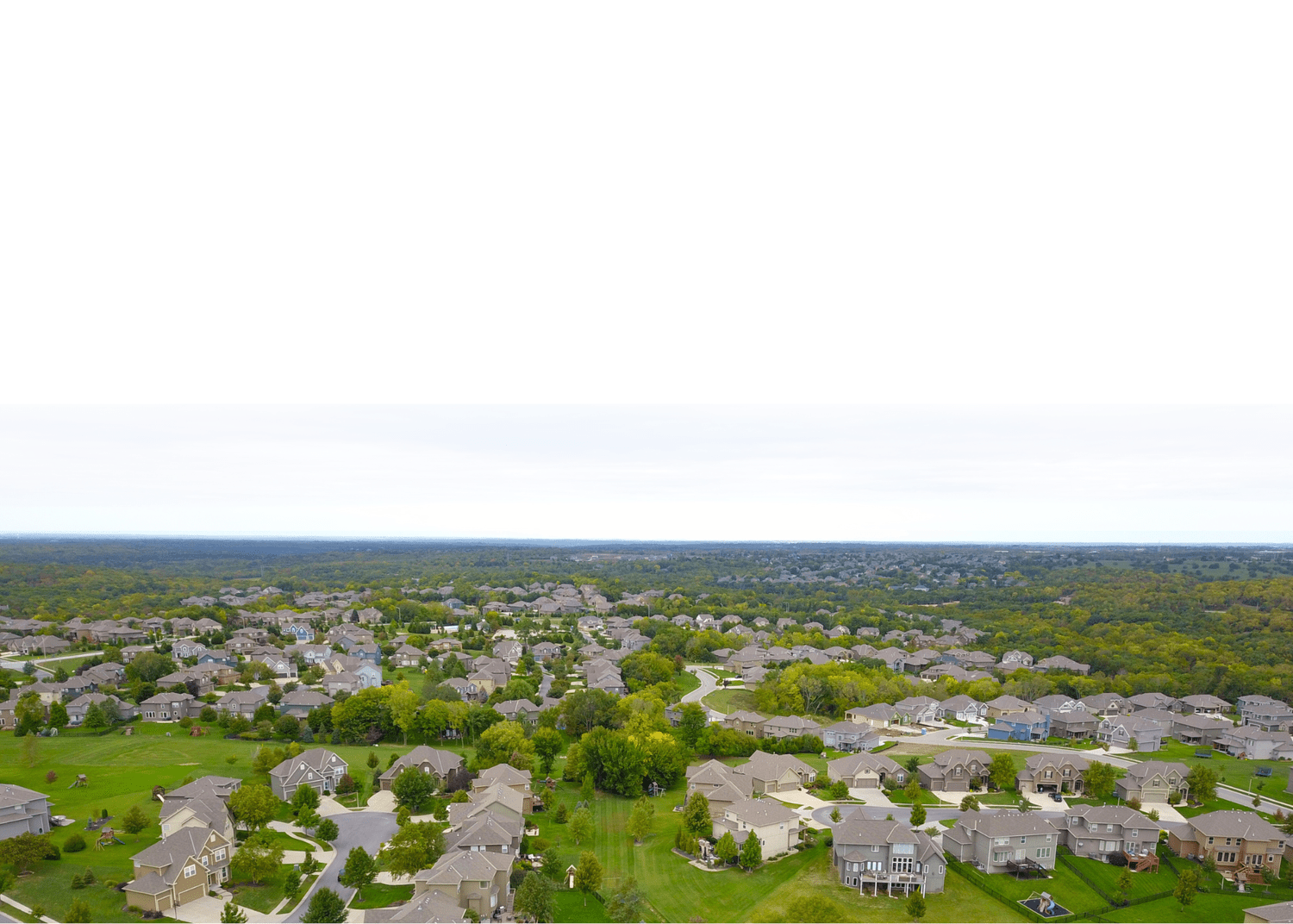
The South Carolina coast is experiencing unprecedented commercial growth. For out-of-state developers and institutional investors, markets like Charleston and Myrtle Beach represent massive opportunities for high-yield returns. But building in the Lowcountry is not like building anywhere else.
Construction Insights
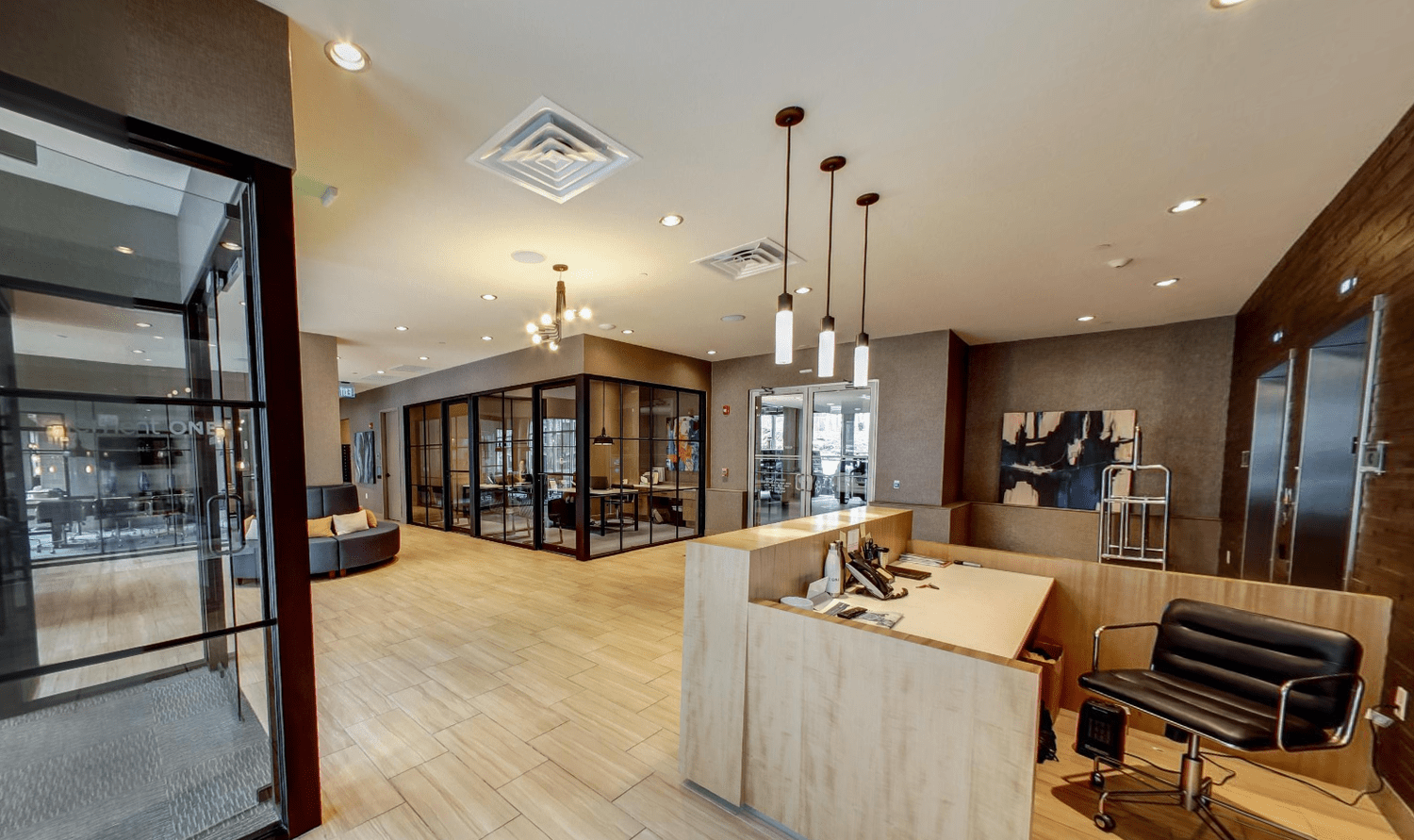
For commercial developers and institutional investors, the monthly construction draw request is the most vulnerable moment for your capital stack. Every 30 days, your General Contractor submits a dense application for payment, detailing hundreds of line items and requesting millions of dollars.
Construction Insights
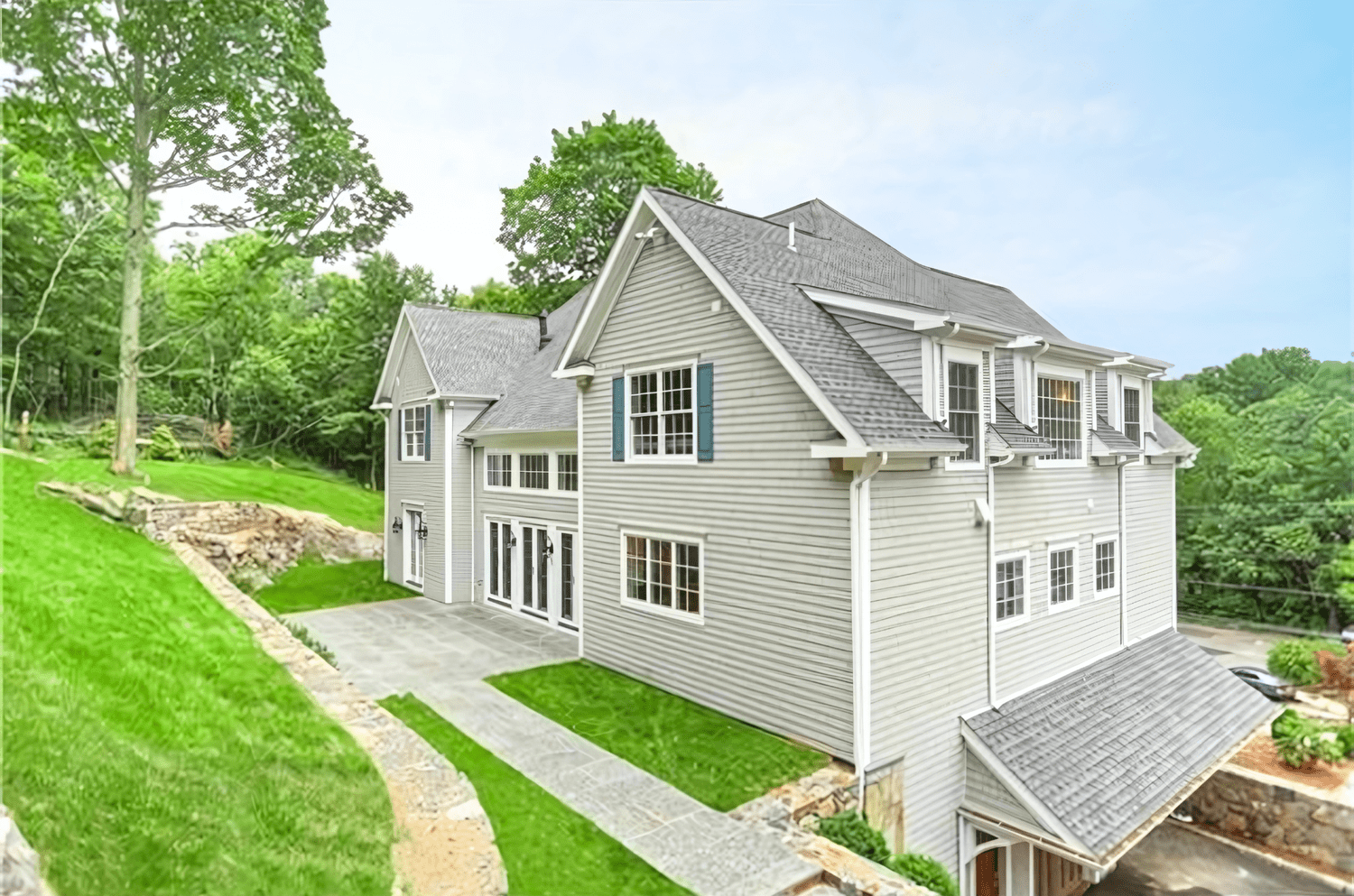
When the initial round of construction bids comes back significantly over your underwritten budget, the immediate reaction in the developer's boardroom is often a frantic pivot to slash numbers. This panicked reduction process is frequently-and incorrectly-mislabeled as "Value Engineering" (VE).
Construction Insights
Whether it is the mechanical contractor abandoning a mid-rise upfit due to cash flow issues or the site-work crew failing to mobilize on a new build, the ripple effects destroy schedules and devour contingencies. This guide explores the anatomy of a subcontractor default, why General Contractors (GCs) often hide the reality from remote owners, and how an active, builder-led Owner's Rep steps in to stabilize the asset.
Construction Insights
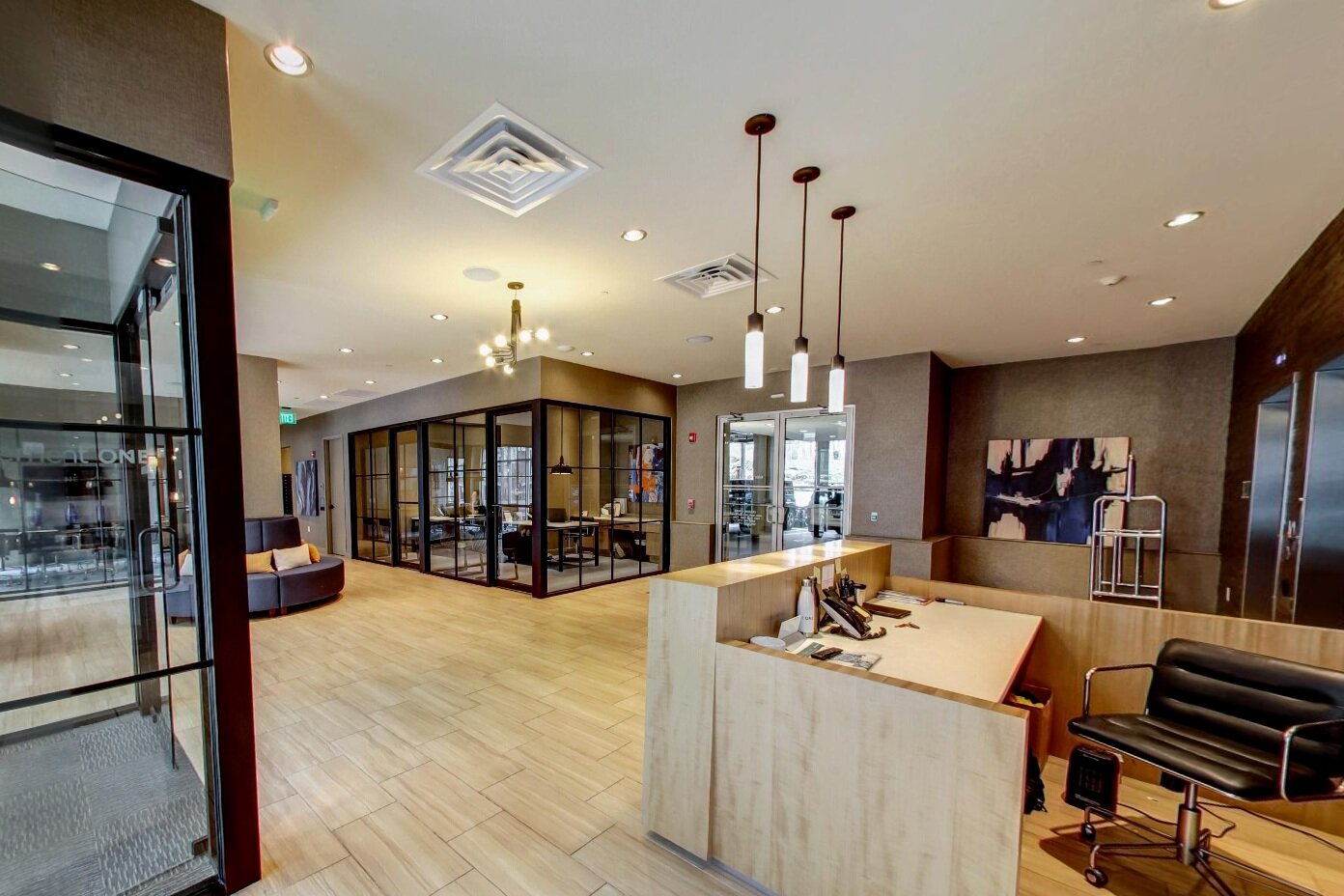
For commercial developers and institutional investors funding projects in North Carolina, the Guaranteed Maximum Price construction contract is often viewed as the ultimate financial safety net. The name itself implies absolute certainty. It suggests that no matter what happens on the job site, your capital exposure is capped. This is a dangerous financial illusion.
Construction Insights
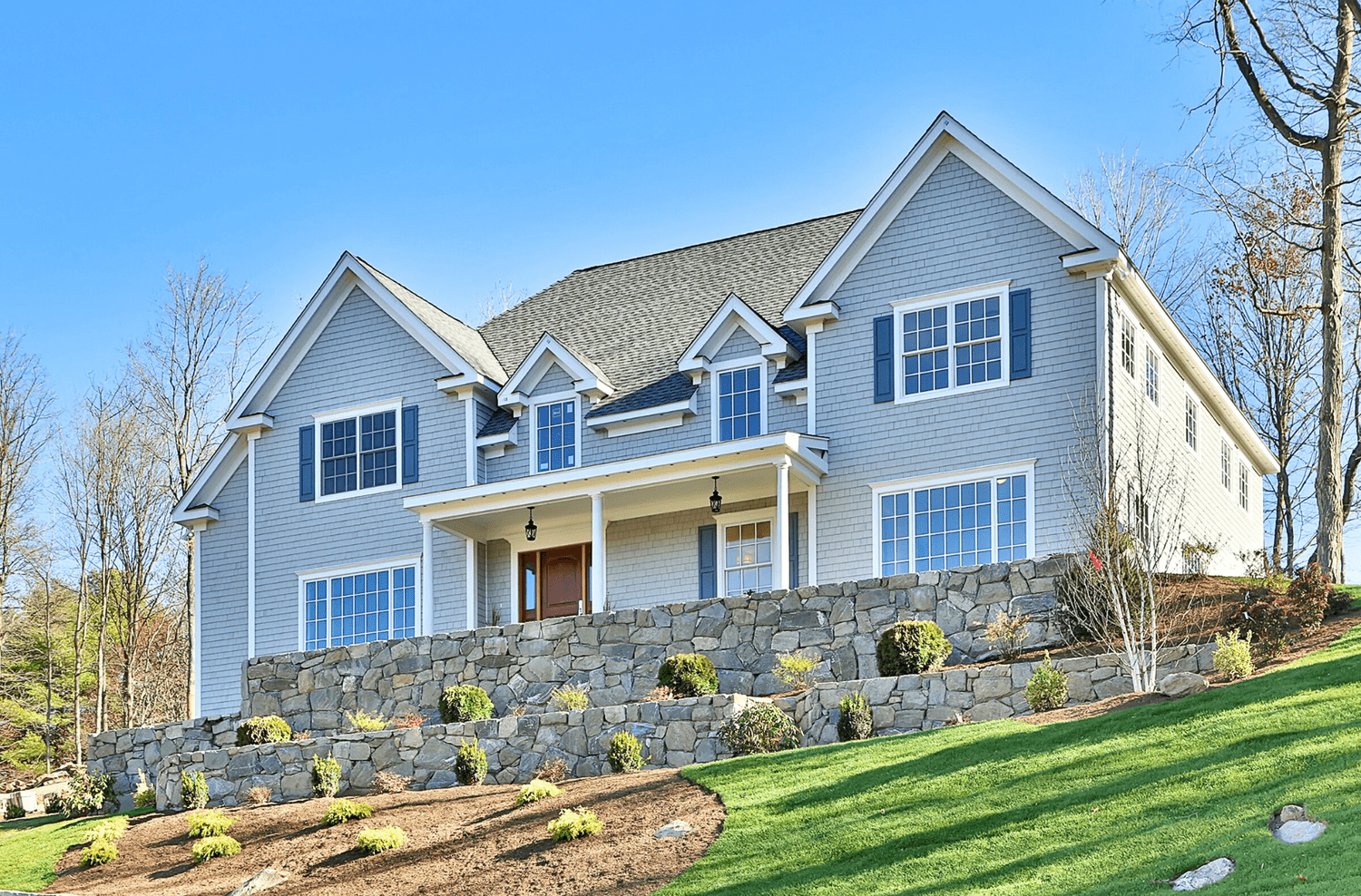
Securing Mecklenburg County commercial building permits and achieving Charlotte zoning compliance is a notoriously complex, multi-layered process. Without an aggressive, highly localized strategy, developers routinely find their projects trapped in "permitting limbo" for months. Every week your project sits on a reviewer's desk, your carrying costs compound, your interest reserves deplete, and your anticipated ROI steadily erodes.
Construction Insights
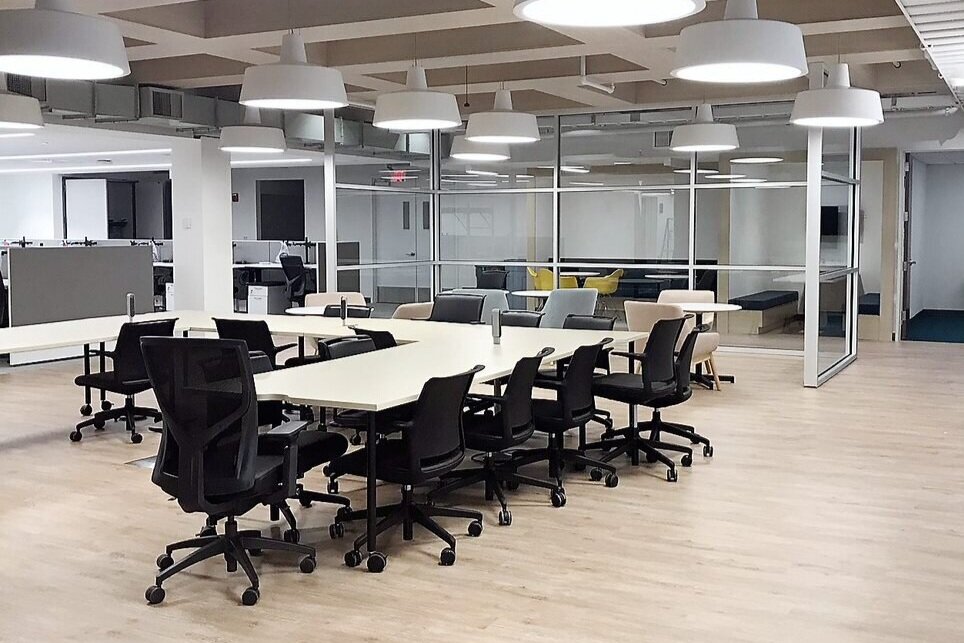
In commercial construction, there is a fundamental and dangerous misconception that the General Contractor is responsible for protecting the developer budget. They are not. A General Contractor is hired to construct the physical building according to the architectural plans. Their primary financial responsibility is protecting their own profit margin and mitigating their own corporate risk.

Construction Insights
Converting old mills and warehouses is visually stunning but financially risky. Discover the hidden costs of adaptive reuse in Charlotte, NC, before you invest.
Construction Insights
A stalled commercial job site is a developer's worst nightmare. Every day that passes without progress eats into your contingency, delays your lease-up window, and jeopardizes your entire pro-forma. Whether the halt is due to a financial dispute, a failing subcontractor base, or gross mismanagement by the General Contractor, the first rule of project rescue is immediate intervention.
Construction Insights
Effective construction supply chain management NC requires more than hope and prayers. It demands forensic-level planning, real-time monitoring, and local expertise that understands the unique challenges facing Greater Charlotte's commercial construction market. We've seen too many projects fail not from design flaws or permitting issues, but from preventable supply chain breakdowns that could have been identified months in advance.

Construction Insights
Mitigate the risks of out-of-state real estate development. Discover the advantage of hiring a local Owner's Representative in Charlotte, NC.
Construction Insights
Protect your commercial investment with a construction feasibility study in Mecklenburg County. Discover hidden site costs before you buy the land.
Construction Insights
Learn how to audit a commercial contractor's bid and spot hidden construction cost padding. Protect your capital with a forensic Schedule of Values review.