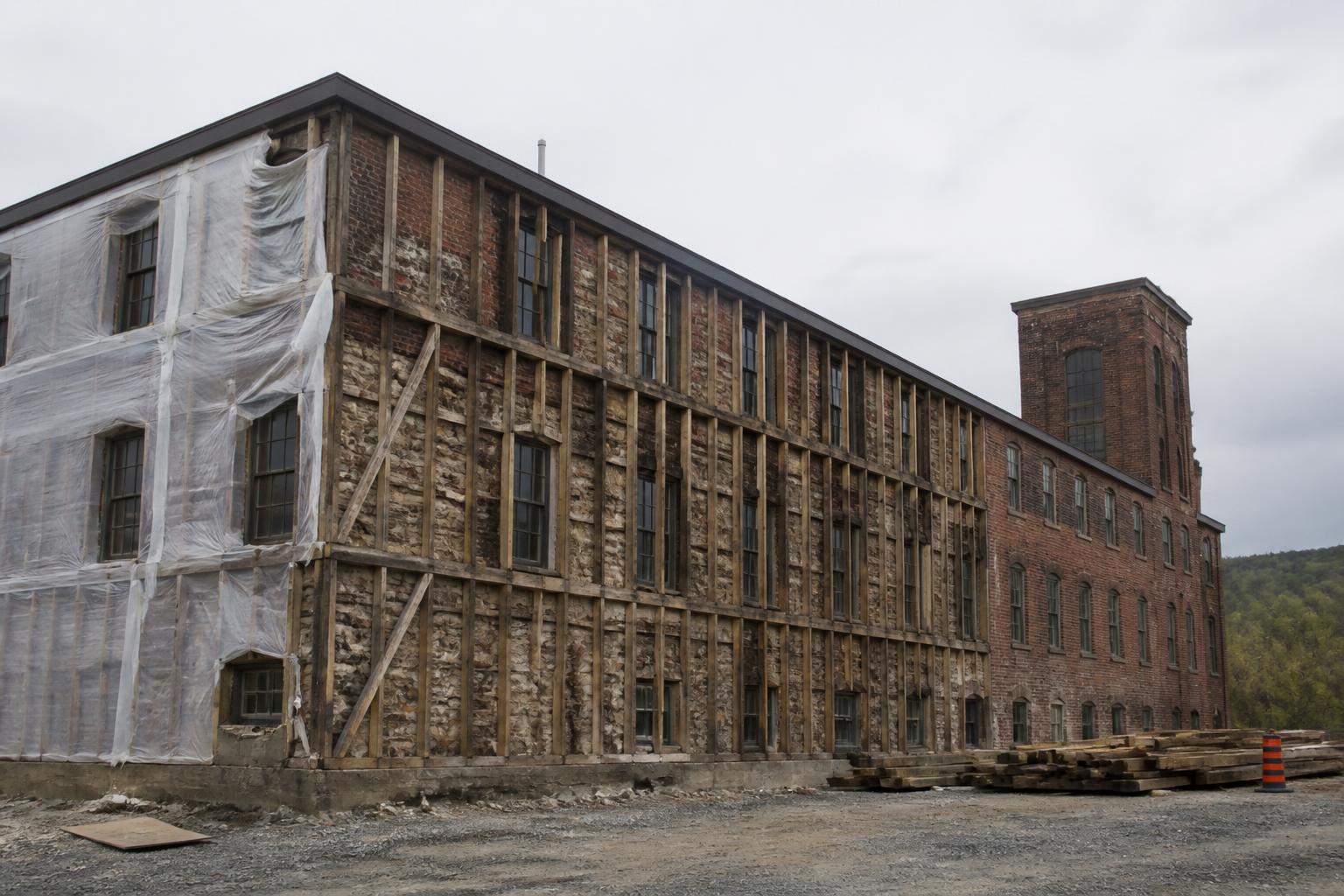
What does it actually cost to restore century-old masonry instead of replacing it? Restoring historic brick almost always costs more per square foot than new construction - but on a historic asset, the brick is often the building's most valuable and least replaceable feature. Here's how JFD approaches historic brick restoration in Uptown Charlotte.
What's the most commonly skipped due-diligence step before a Kentucky commercial groundbreaking? Verifying that every subcontractor on the bid list actually carries active, adequate bonding and insurance coverage - not just a certificate on file. See how JFD verifies this before Kentucky developers break ground.
What is a construction draw request audit, and why does it matter every month? It's an independent, line-by-line verification of the GC's payment application against actual physical progress on site. Learn what an unaudited draw exposes you to and how JFD runs this check across every Southeast and Mid-Atlantic project.
Why does a delayed hotel opening cost more than a delayed office or retail opening? Hospitality revenue doesn't defer the way a lease does, so JFD enforces Nashville hotel construction schedules against the opening date itself, not the GC's internal completion metric.
What's different about ground-up construction in the Research Triangle versus Charlotte? Raleigh, Durham, and surrounding municipalities each run independent permitting processes. J. Forrest Development's General Contractor division coordinates proactively with each jurisdiction before construction documents are even submitted.
What is interest carry, and why does it quietly destroy more pro formas than cost overruns do? It's the ongoing interest expense on your construction loan for every day the project isn't generating revenue. Learn how to model your own exposure and why an Owner's Rep tracks schedule against the loan's carry rate, not just a wall-calendar date.
Why does every day of delay on a commercial upfit cost more than the extra labor to prevent it? An unfinished tenant space earns zero rent while still accruing interest and holding costs. J. Forrest Development compresses South End retail and restaurant build-out schedules through aggressive sequencing and pre-walked inspections, without compressing quality.
What makes a mixed-use development harder to manage than a single-use building? A mixed-use project is really three or four different buildings sharing one structure and one schedule, each with its own code requirements, inspection sequence, and tenant timeline. An Owner's Rep in Memphis tracks every critical path independently so the GC can't let one use's delay quietly sink another's return.
How do you audit the capital stack on an Atlanta multi-family development? Protecting LP capital in Atlanta's multi-family boom requires forensic draw audits that verify true percentage of completion before capital is released, not a rubber stamp on a General Contractor's pay application. A builder-led Owner's Representative catches inflated draws before they compound and enforces a schedule an out-of-state fund can't watch from a spreadsheet.
What's the biggest risk in converting a Northern Virginia office building to residential? The biggest risk is structural: office floor plates and column grids were never designed around the plumbing stacks, unit separations, and load patterns that residential occupancy requires. An Owner's Rep in Virginia forensically audits the structural and MEP feasibility of a conversion before you're contractually committed, uncovering the retrofit costs that quietly erase a project's returns.
Why do manufacturing developers need independent oversight in Greenville, SC? South Carolina's Upstate manufacturing boom moves fast, and out-of-state corporate executives, specialized equipment vendors, and local general contractors rarely optimize for the same timeline or scope. An Owner's Rep in South Carolina bridges that gap - translating equipment vendor requirements into buildable construction sequences and holding the GC accountable to a schedule the corporate parent can actually plan around.
What makes a retail or restaurant upfit successful in Charlotte? A successful retail or restaurant build-out comes down to aggressive off-hours scheduling, proactive health department and fire marshal coordination, and a general contractor who treats every day of delay as lost tenant revenue, not a line item to bill around. J. Forrest Development executes turnkey commercial upfits across active Charlotte plazas and corridors without disrupting neighboring tenants or blowing the opening date.
What does an Owner's Rep do on a Virginia data center build? On a mission-critical facility in Northern Virginia's data center corridor, an Owner's Rep enforces the procurement and quality-control discipline these builds demand - locking in long-lead switchgear and generator orders months before groundbreaking, forensically verifying specialized MEP installation against manufacturer commissioning standards, and holding the General Contractor accountable to a critical path where one missed inspection can delay a hyperscale tenant's revenue by months.
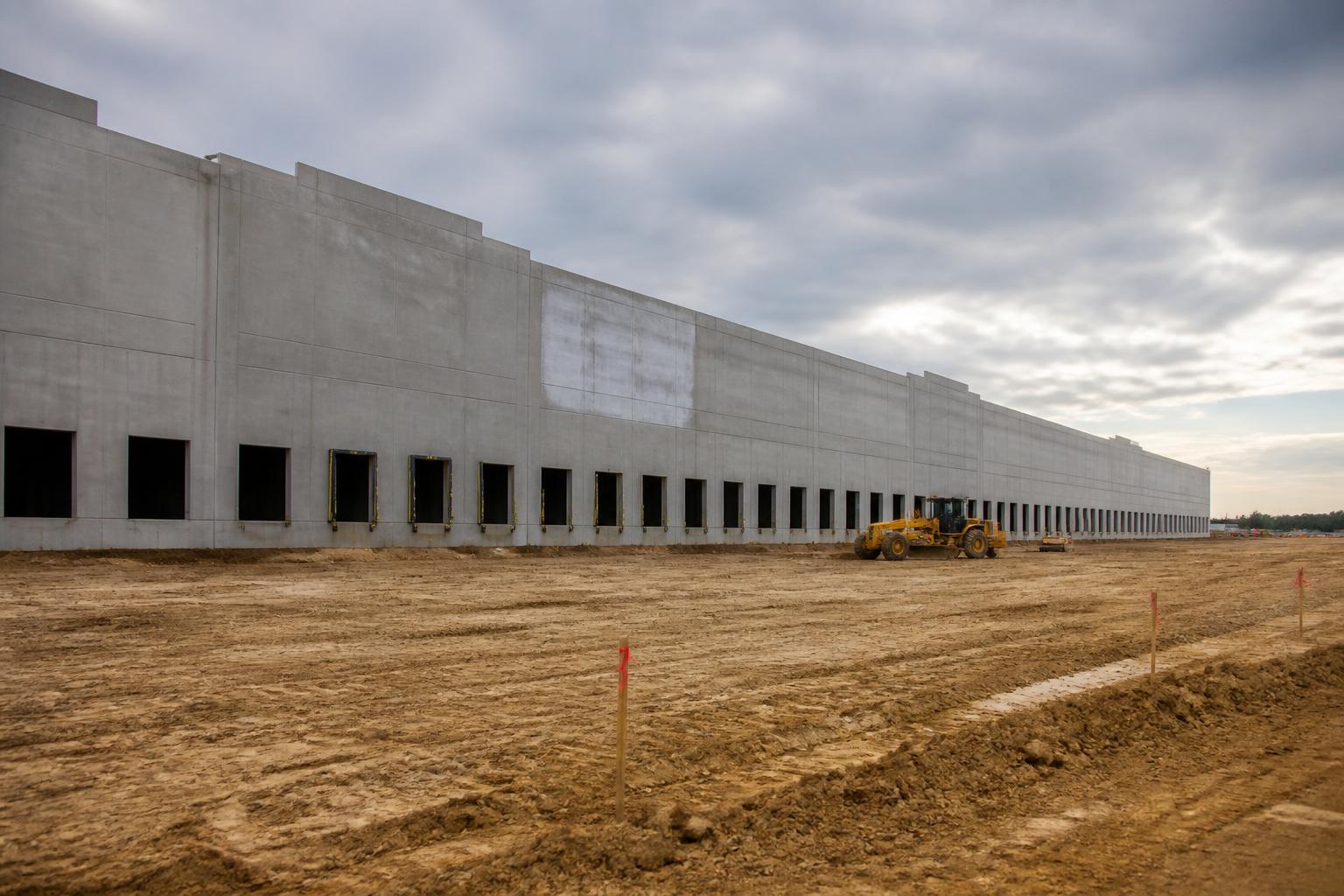
How do you ensure on-time delivery for industrial warehouse construction in Louisville? To hit tight delivery dates for logistics hubs, developers must actively manage massive site grading, tightly sequence tilt-up concrete schedules, and force early coordination with local Kentucky utility providers. Relying passively on a General Contractor is a massive risk; deploying a builder-led Owner's Rep ensures boots-on-the-ground oversight to enforce the critical path, mitigate schedule slip, and protect your capital.
How do you handle a subcontractor default in commercial construction? To handle a subcontractor default, you must immediately secure the job site and inventory, forensically audit the completed work to prevent overpayment, and leverage local trade networks to rapidly source a replacement. Project stabilization requires active, builder-led intervention-ideally from an Owner's Rep-to intercept the risk, minimize compounding carrying costs, and protect your capital before schedule delays become irreversible.
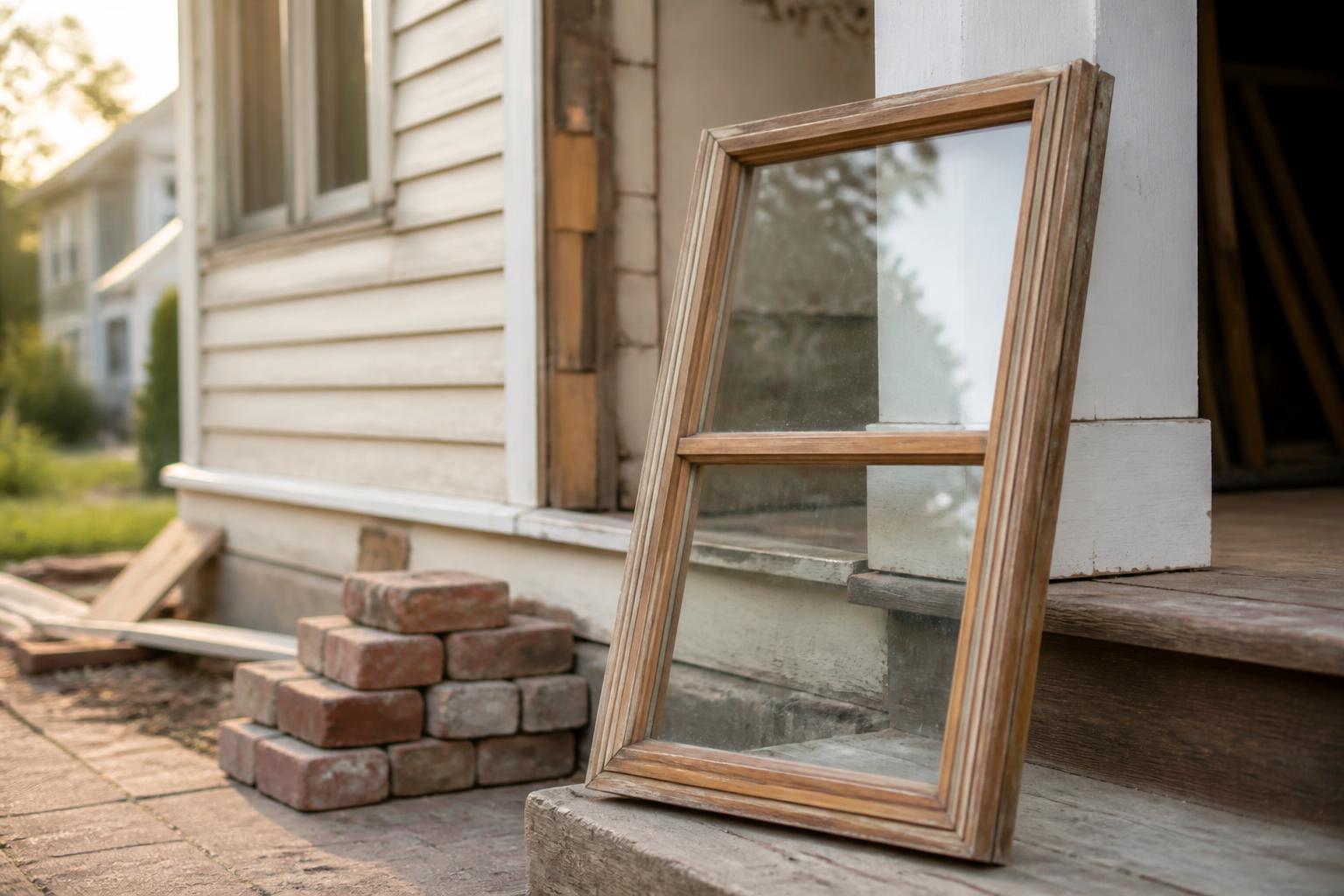
Dilworth doesn't forgive shortcuts. Charlotte's oldest streetcar suburb is a patchwork of century-old bungalows, foursquares, and Colonial Revivals - homes that were framed before HVAC existed, wired before code required a permit, and plumbed with materials no supplier has carried in fifty years. Renovating one isn't a cosmetic exercise. It's a structural and mechanical negotiation with a building that was never designed to hold central air, tankless water heaters, or a modern electrical panel.
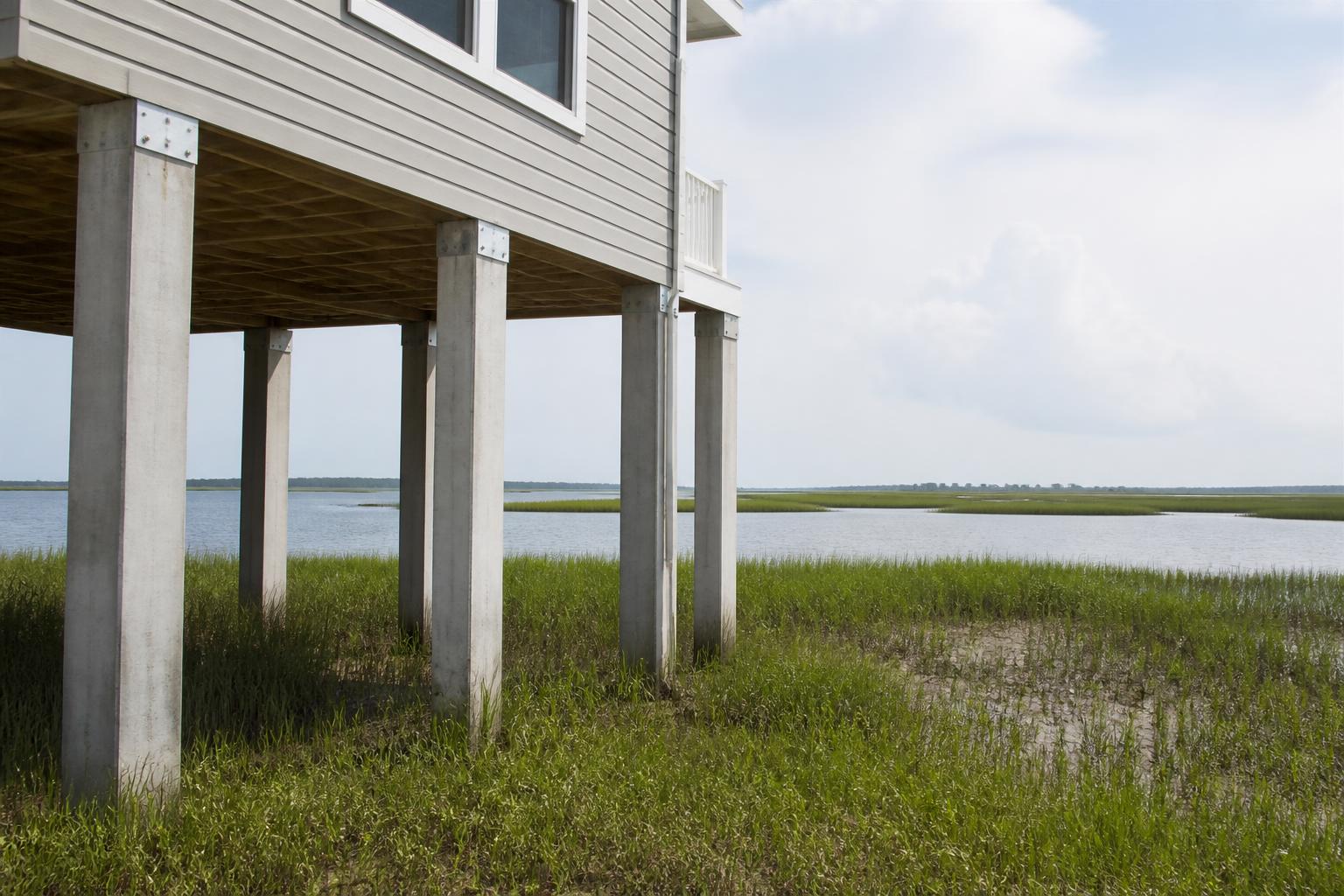
The South Carolina coast is experiencing unprecedented commercial growth. For out-of-state developers and institutional investors, markets like Charleston and Myrtle Beach represent massive opportunities for high-yield returns. But building in the Lowcountry is not like building anywhere else.
For commercial developers and institutional investors, the monthly construction draw request is the most vulnerable moment for your capital stack. Every 30 days, your General Contractor submits a dense application for payment, detailing hundreds of line items and requesting millions of dollars.
When the initial round of construction bids comes back significantly over your underwritten budget, the immediate reaction in the developer's boardroom is often a frantic pivot to slash numbers. This panicked reduction process is frequently-and incorrectly-mislabeled as "Value Engineering" (VE).
Whether it is the mechanical contractor abandoning a mid-rise upfit due to cash flow issues or the site-work crew failing to mobilize on a new build, the ripple effects destroy schedules and devour contingencies. This guide explores the anatomy of a subcontractor default, why General Contractors (GCs) often hide the reality from remote owners, and how an active, builder-led Owner's Rep steps in to stabilize the asset.
For commercial developers and institutional investors funding projects in North Carolina, the Guaranteed Maximum Price construction contract is often viewed as the ultimate financial safety net. The name itself implies absolute certainty. It suggests that no matter what happens on the job site, your capital exposure is capped. This is a dangerous financial illusion.
Securing Mecklenburg County commercial building permits and achieving Charlotte zoning compliance is a notoriously complex, multi-layered process. Without an aggressive, highly localized strategy, developers routinely find their projects trapped in "permitting limbo" for months. Every week your project sits on a reviewer's desk, your carrying costs compound, your interest reserves deplete, and your anticipated ROI steadily erodes.
In commercial construction, there is a fundamental and dangerous misconception that the General Contractor is responsible for protecting the developer budget. They are not. A General Contractor is hired to construct the physical building according to the architectural plans. Their primary financial responsibility is protecting their own profit margin and mitigating their own corporate risk.
Investing in Charlotte's commercial real estate boom? Learn why the local general contractor capacity crunch threatens your schedule and how a local proxy secures your priority.
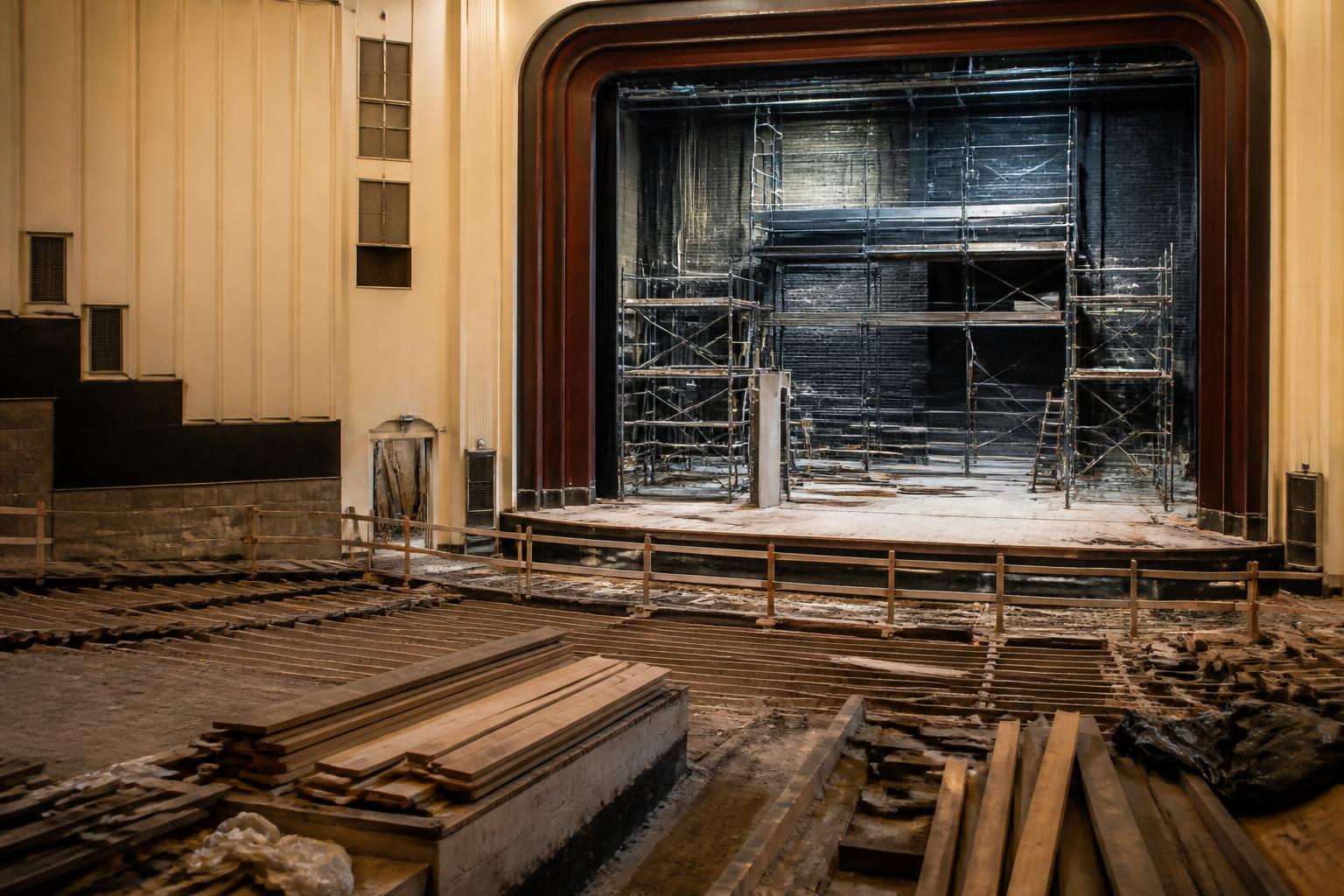
J. Forrest Development, LLC is proud to announce our selection as the General Contractor for the upcoming structural modifications and comprehensive stage replacement at the University of North Carolina at Charlotte’s Robinson Hall Belk Theater.
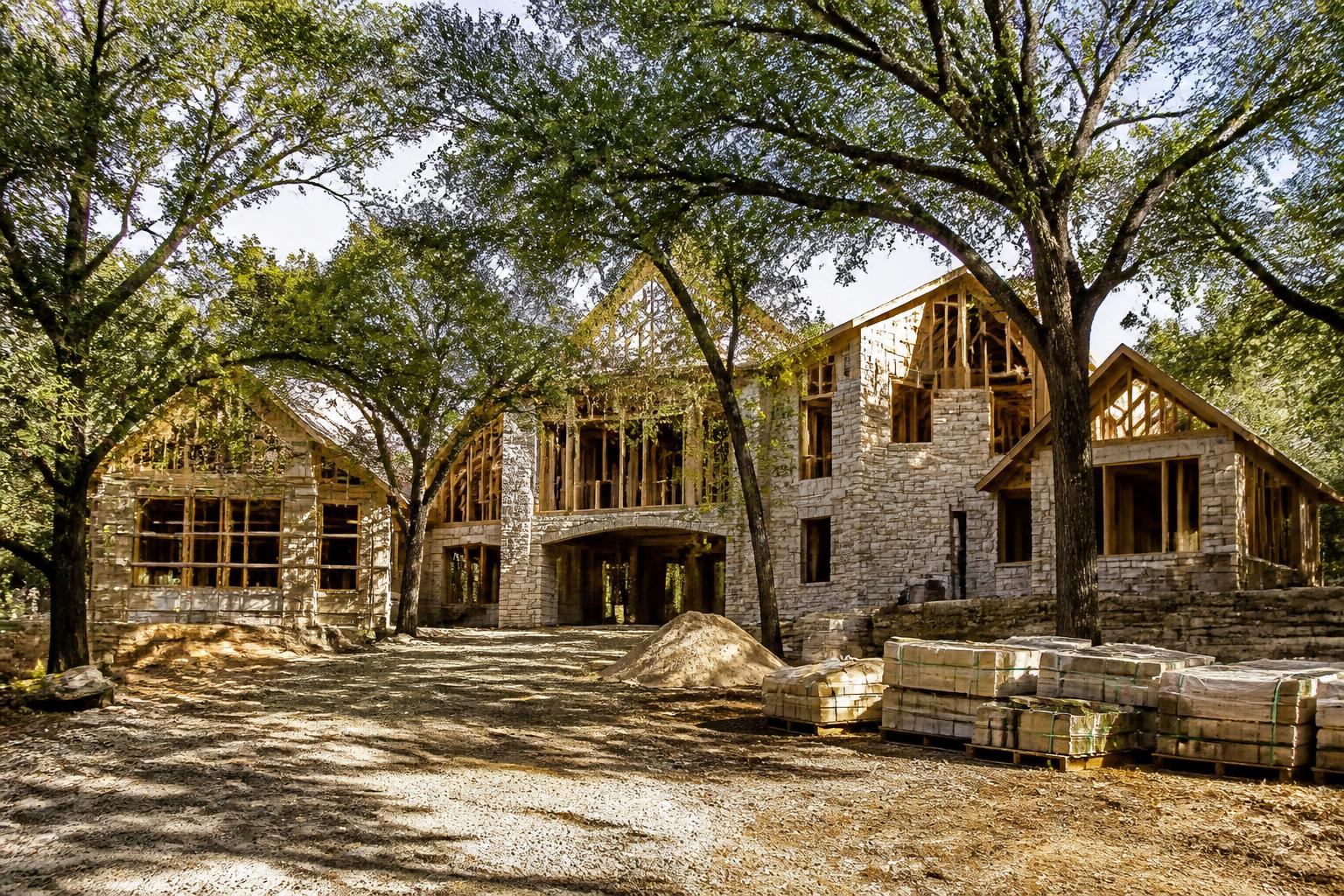
When building a multi-million dollar custom estate in exclusive enclaves like Foxcroft, Myers Park, or SouthPark, the conversation often centers on aesthetics-imported marble, bespoke millwork, and high-end lighting. However, true luxury building is not defined by the finishes you see; it is defined by the structural capability and flawless logistics that make those finishes possible.
Converting old mills and warehouses is visually stunning but financially risky. Discover the hidden costs of adaptive reuse in Charlotte, NC, before you invest.
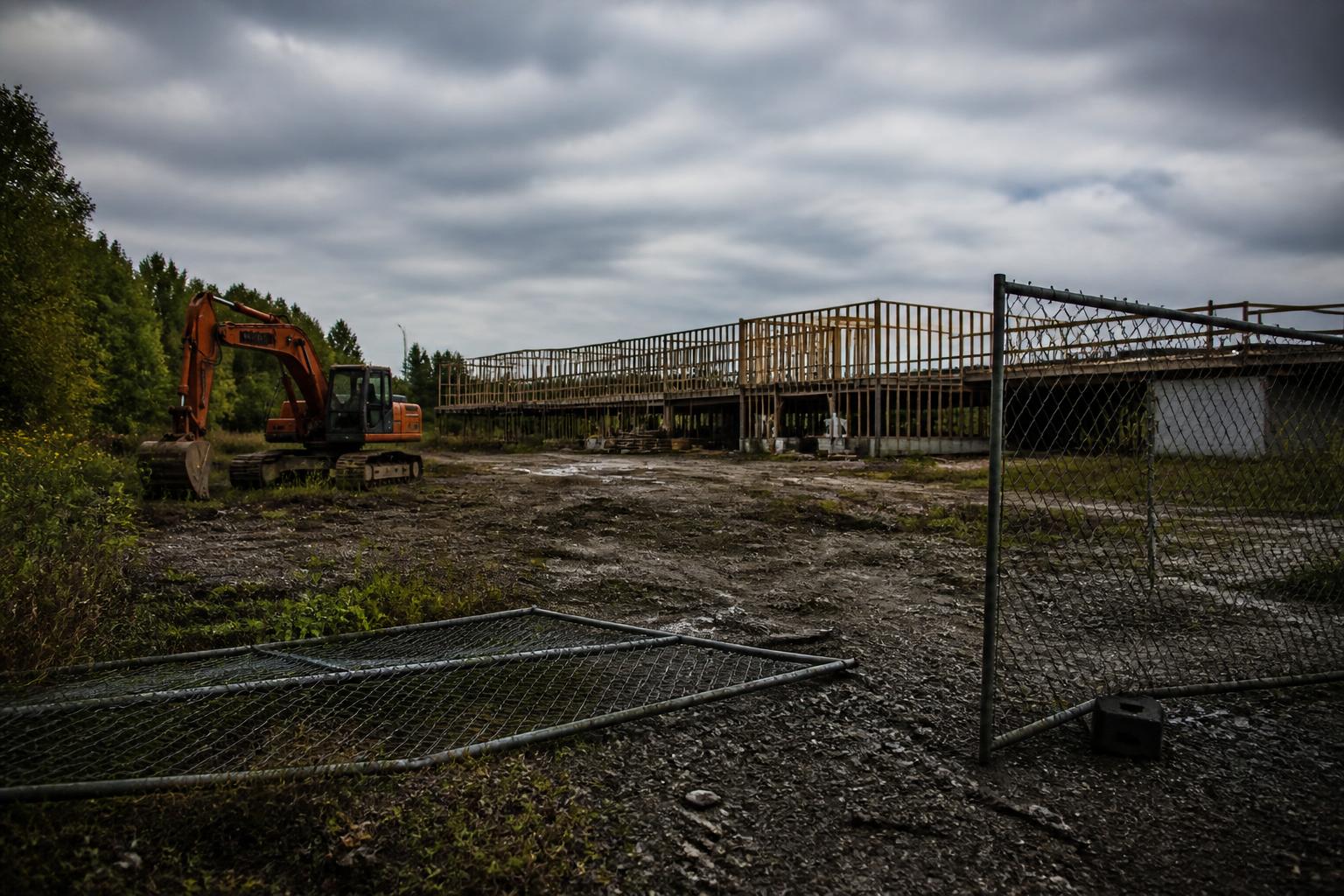
A stalled commercial job site is a developer's worst nightmare. Every day that passes without progress eats into your contingency, delays your lease-up window, and jeopardizes your entire pro-forma. Whether the halt is due to a financial dispute, a failing subcontractor base, or gross mismanagement by the General Contractor, the first rule of project rescue is immediate intervention.
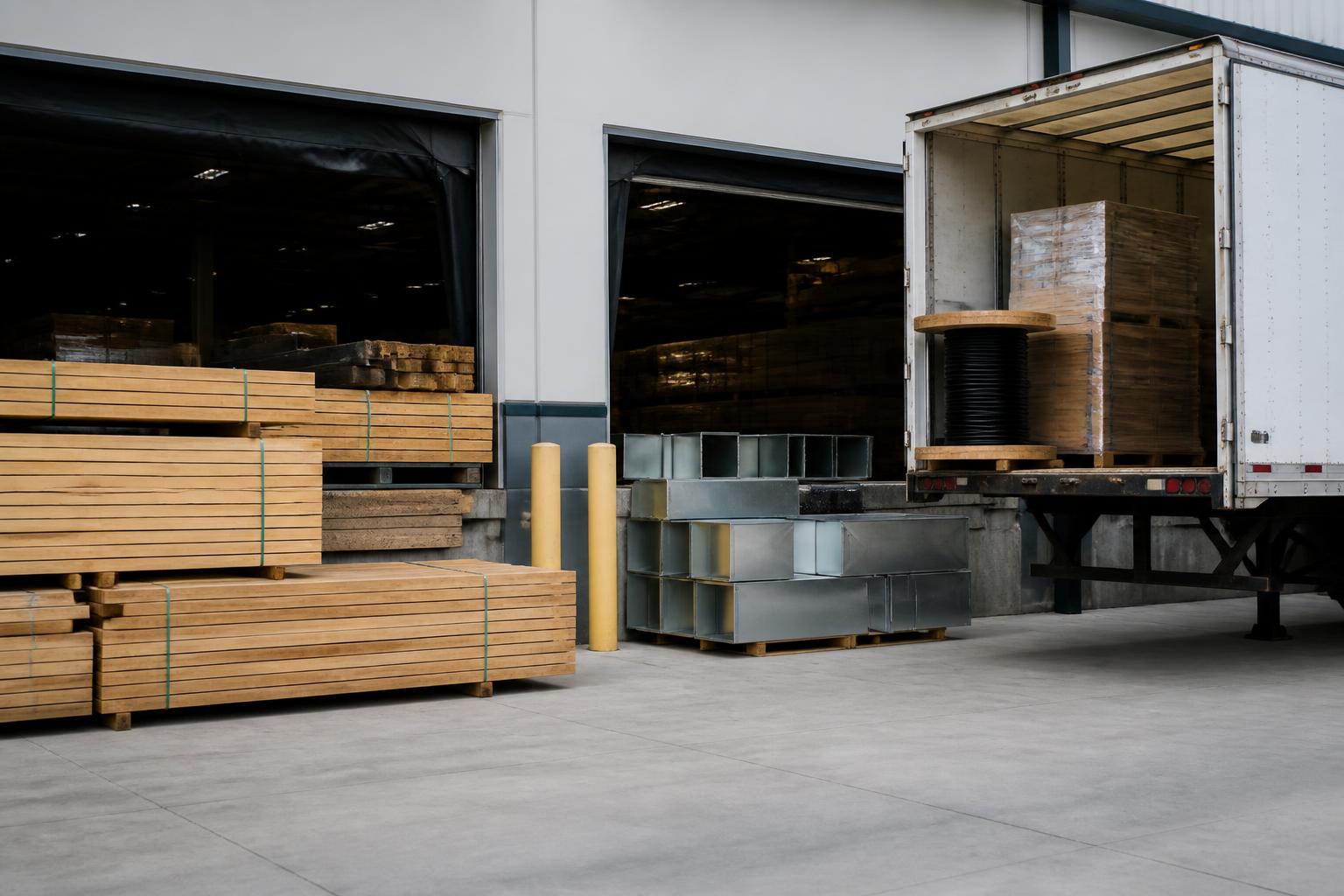
Effective construction supply chain management NC requires more than hope and prayers. It demands forensic-level planning, real-time monitoring, and local expertise that understands the unique challenges facing Greater Charlotte's commercial construction market. We've seen too many projects fail not from design flaws or permitting issues, but from preventable supply chain breakdowns that could have been identified months in advance.
Learn how to audit a commercial contractor's bid and spot hidden construction cost padding. Protect your capital with a forensic Schedule of Values review.
Talk to a builder, not a salesperson
Have a project where the numbers stopped making sense?
Send us the drawings, the schedule of values, or the last three pay applications. We will tell you plainly what we see.